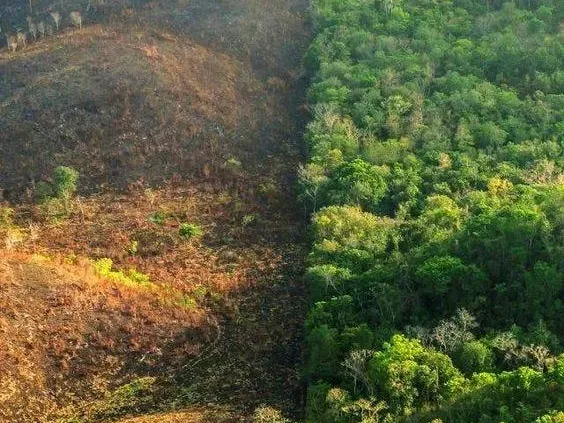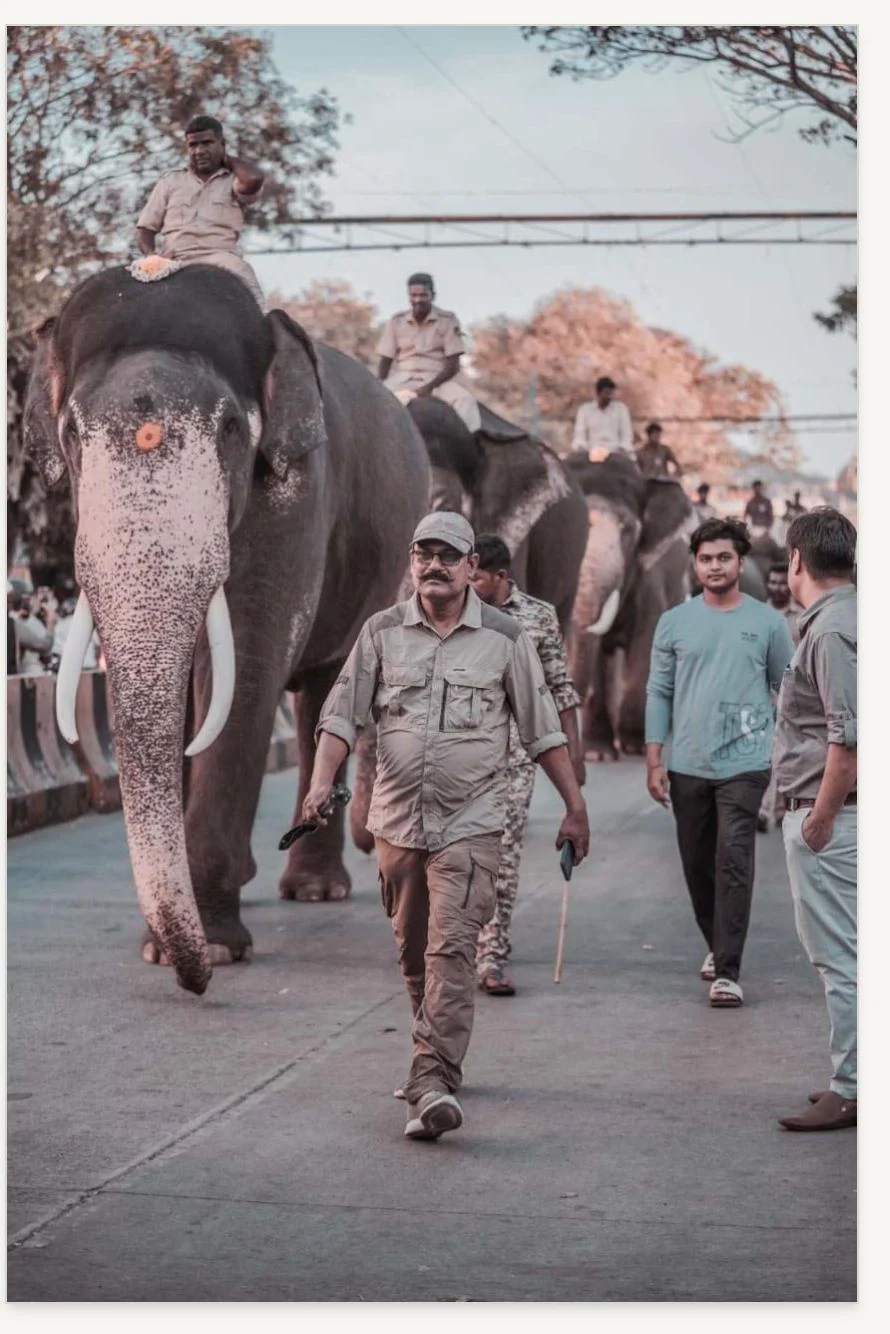

The 2026 Assam floods have submerged over 700,000 human lives, 12 districts, and millions of wildlife habitats across the Brahmaputra basin. Here is our field unit's comprehensive analysis on human-wildlife conflict, Kaziranga corridor migration, and frontline disaster relief.
In This Article (7 Sections)▼
Executive Overview
The 2026 monsoon season in Assam has escalated into one of the most severe hydro-disasters in recent history. Triggered by intense torrents across the Brahmaputra basin and upper river catchments, floodwaters have breached key embankments, inundating thousands of villages, agricultural farmland, and crucial wildlife sanctuaries.
Beyond the humanitarian crisis, the deluge has drastically impacted wild species. As water levels in Kaziranga National Park and Pobitora Wildlife Sanctuary surge past danger marks, flagship animalsincluding the Greater One-horned Rhinoceros, Asian Elephants, and Bengal Tigersare forced to attempt perilous migrations across busy national highways to reach higher ground in the Karbi Anglong Hills.
The Scale of the 2026 Disaster
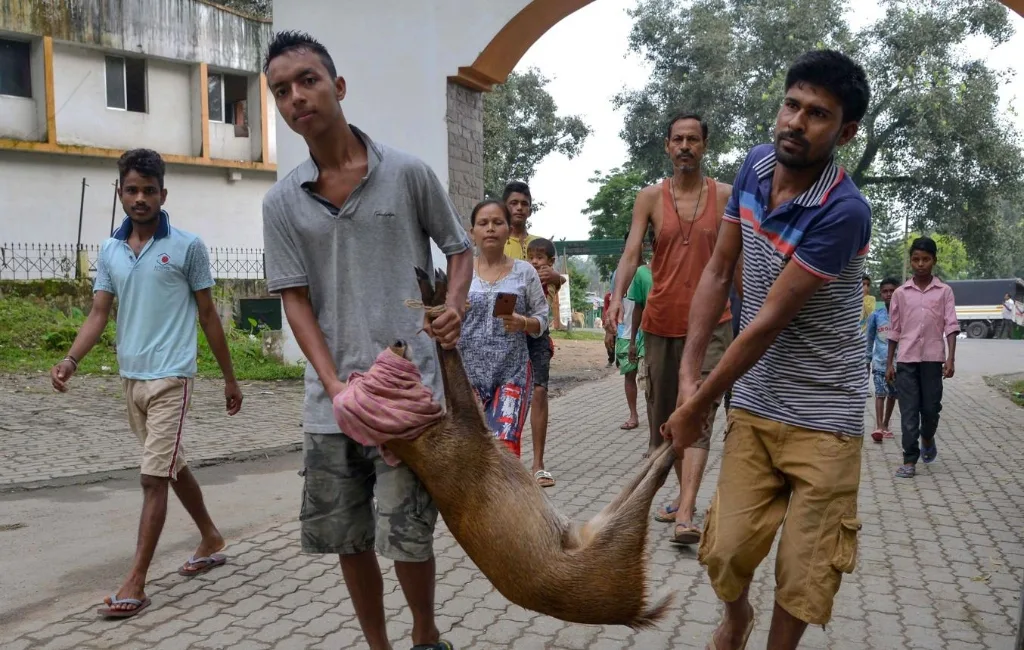
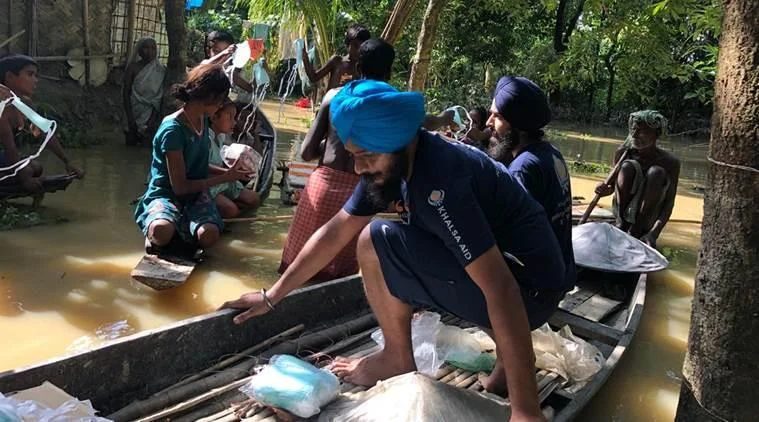
Upper Assam districts including Sivasagar, Charaideo, Jorhat, Golaghat, and Nagaon bear the heaviest brunt of the flooding. With water levels recorded as the highest seen in over half a century, over 700,000 people across 12 districts have been displaced.
Disaster Impact Summary:
Why Assam Floods Every Year: Root Ecological Causes
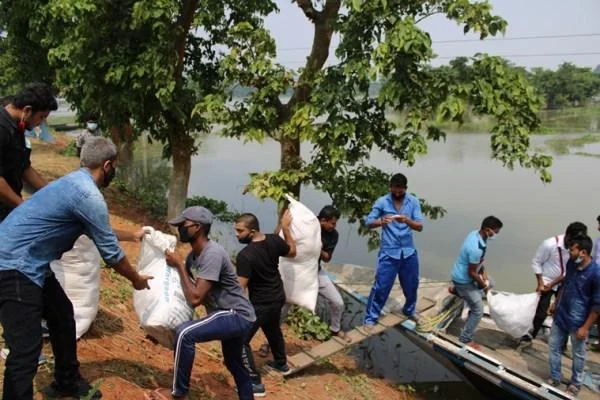
While seasonal inundation is a natural ecological cycle that replenishes alluvial soils and wetland ecosystems, the severity of modern deluges has been compounded by several human factors:
Wildlife Under Threat: The Kaziranga Migration Crisis
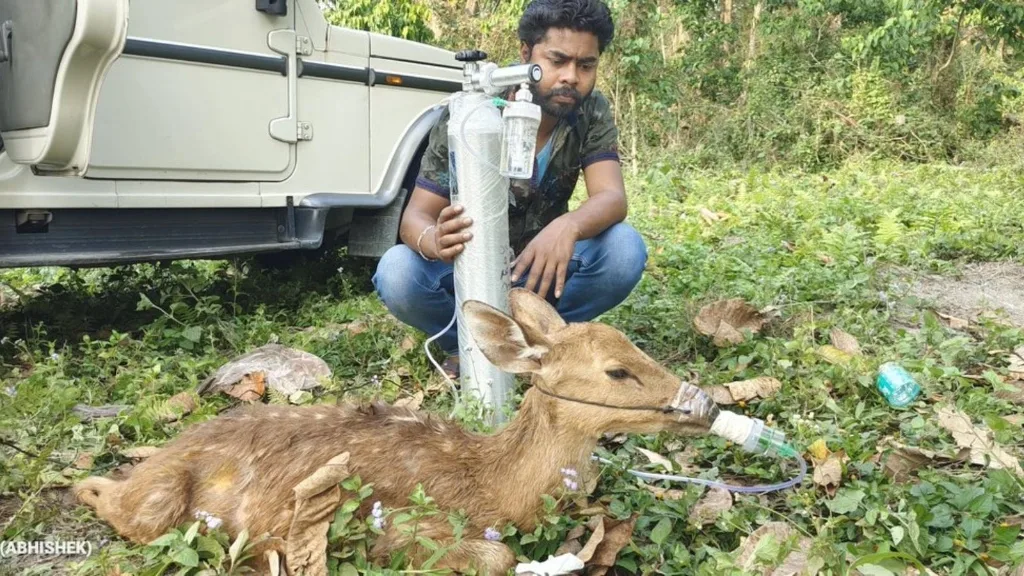
When 7080% of Kaziranga National Park's area becomes inundated, wild animals face a fight for survival. Herd migrations toward Karbi Anglong highlands require crossing National Highway 715 (NH-715), creating grave risks.
Key Affected Species:
Mitigating HumanWildlife Conflict in Flood Zones
As displaced animals enter human habitations, conflict risks soar. Farmers protecting remaining grain stores encounter stressed wildlife, while panicked animals can injure civilians or fall into agricultural wells.
Field Action Protocols:
PFWCI Perspective: Long-Term Ecological Resilience
"At People for Forest and Wildlife Conservation of India (PFWCI), we advocate that disaster relief must be coupled with landscape-level restoration. We cannot treat floods purely as sudden emergenciesthey are symptoms of broken ecological buffers. Restoring riverine corridors, securing animal highlands, and protecting wetlands are our best defenses for human and wildlife survival."
How You Can Support Flood Resilience
Actions Citizens Can Take:
A field researcher and conservationist with People for Forest and Wildlife Conservation India, working across the Western Ghats and Eastern Ghats landscapes.