Our Works & Impactful Interventions
From emergency wildlife rescues to million-tree plantations — every action we take protects India's irreplaceable biodiversity across forests, reserves, and frontline communities.
Core Conservation
Domains
Targeted ecological interventions addressing human-wildlife conflict, deforestation, and water scarcity across India.

Wildlife Rescue & Rehab
24/7 veterinary emergency care, tiger-elephant rescue, and sanctuary releases.
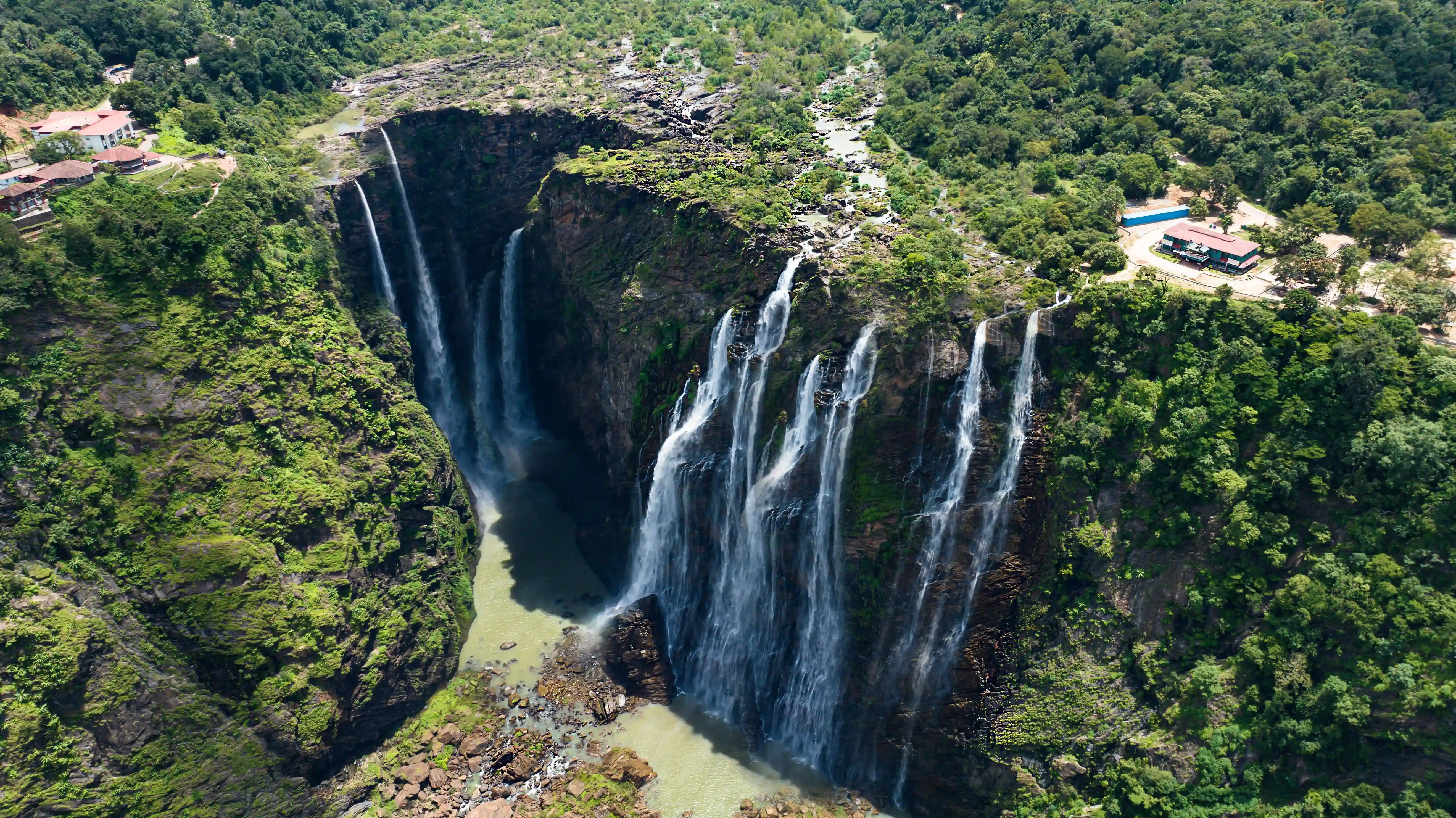
Western Ghats Rewilding
Regenerating degraded canopy, clearing invasive weeds, and restoring soil health.

Native Reforestation Drive
Rolling seedballs and cultivating native fruit trees with 5-year monitoring care.

Forest Water Hole Re-Engineering
De-silting forest ponds, constructing solar pumps, and filling wildlife water troughs.
SPECIALIZED INITIATIVES
Eight targeted programs safeguarding vulnerable wildlife, restoring rainforest corridors, empowering tribal communities, and applying scientific research across the Western Ghats.
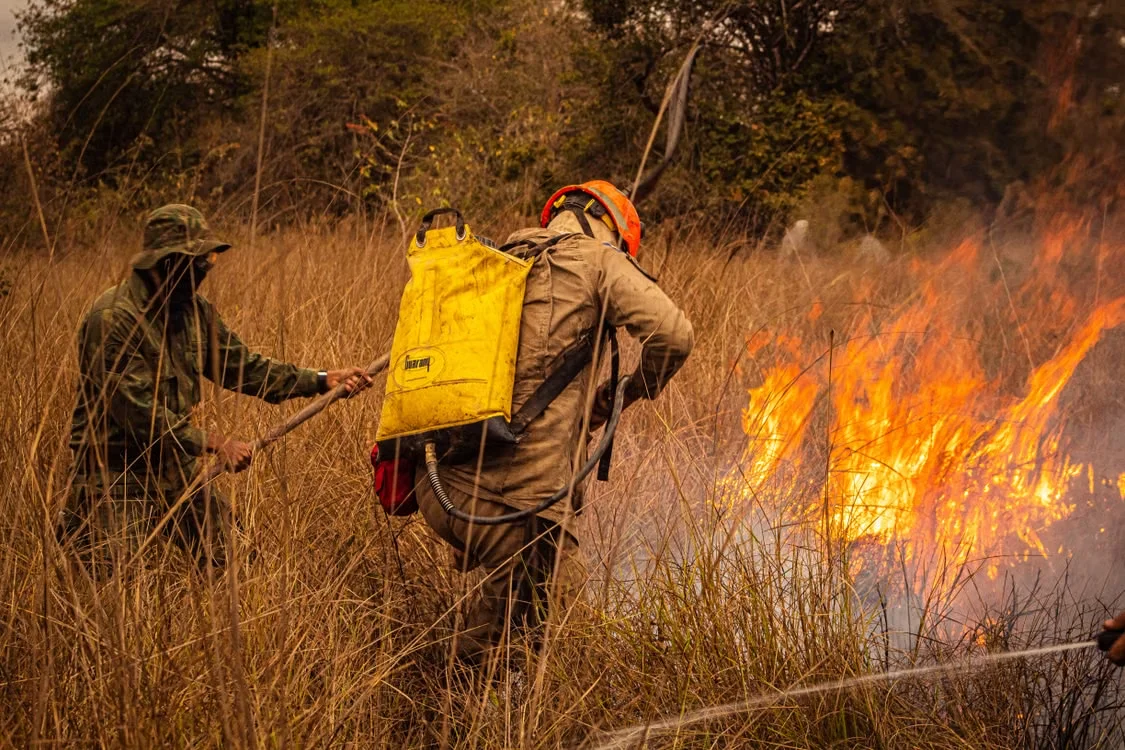
Forest Fire Prevention & Rapid Response
Building fire lines, deploying rapid-response teams, and using technology to detect and control wildfires before they spread.

Tribal Forest Protection & Care
Partnering with local tribal communities to protect wildlife & nature through traditional knowledge, sustainable farming, and community protection.
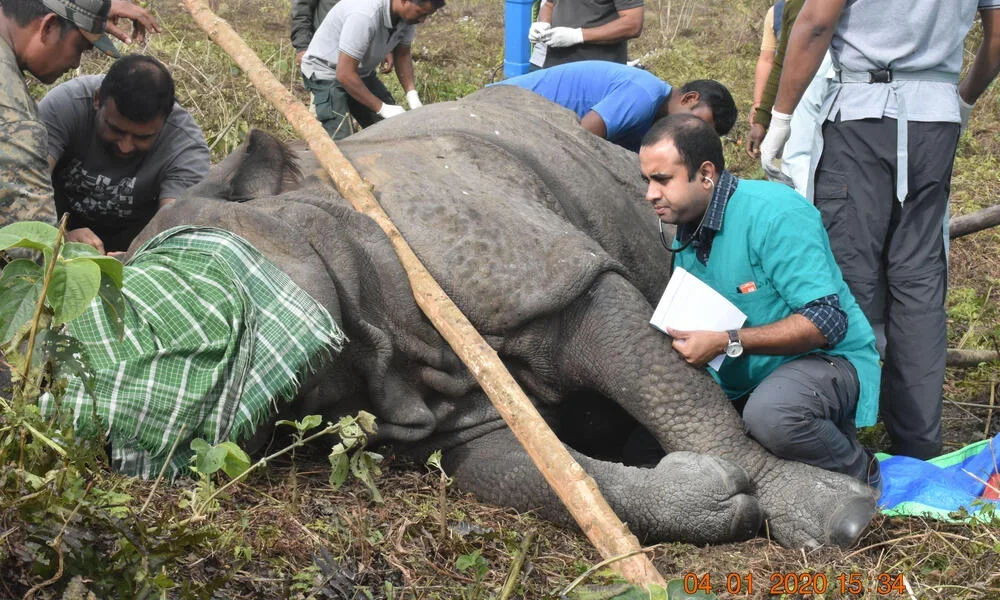
Wildlife Rescue & Rehabilitation
Rescuing injured, orphaned, and displaced wildlife while supporting rehabilitation and safe release into protected habitats.
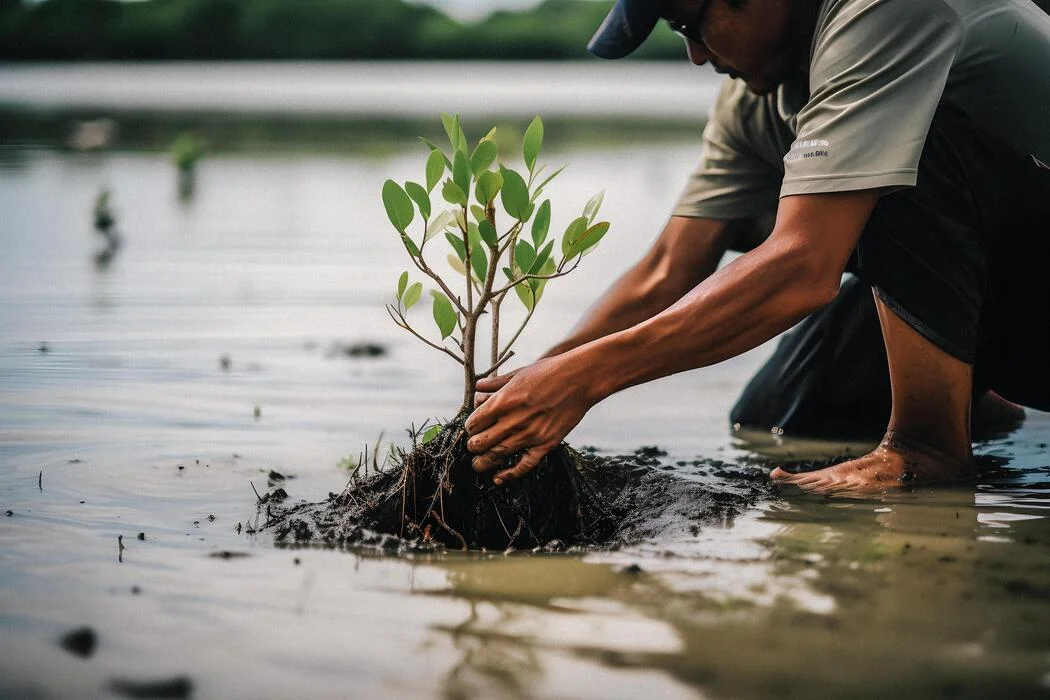
Habitat Restoration & Biodiversity Recovery
Restoring degraded forests through native tree plantation, ecological restoration, and long-term habitat management.
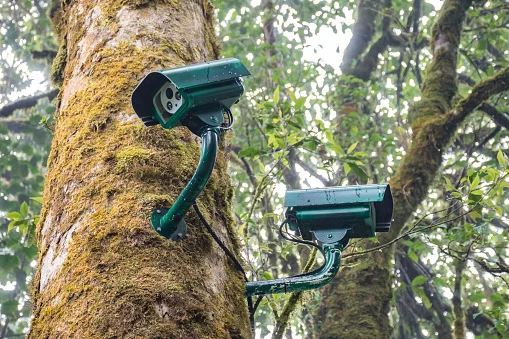
Anti-Poaching & Smart Surveillance
Using camera traps, AI monitoring, drones, and ranger patrols to prevent illegal wildlife activities.
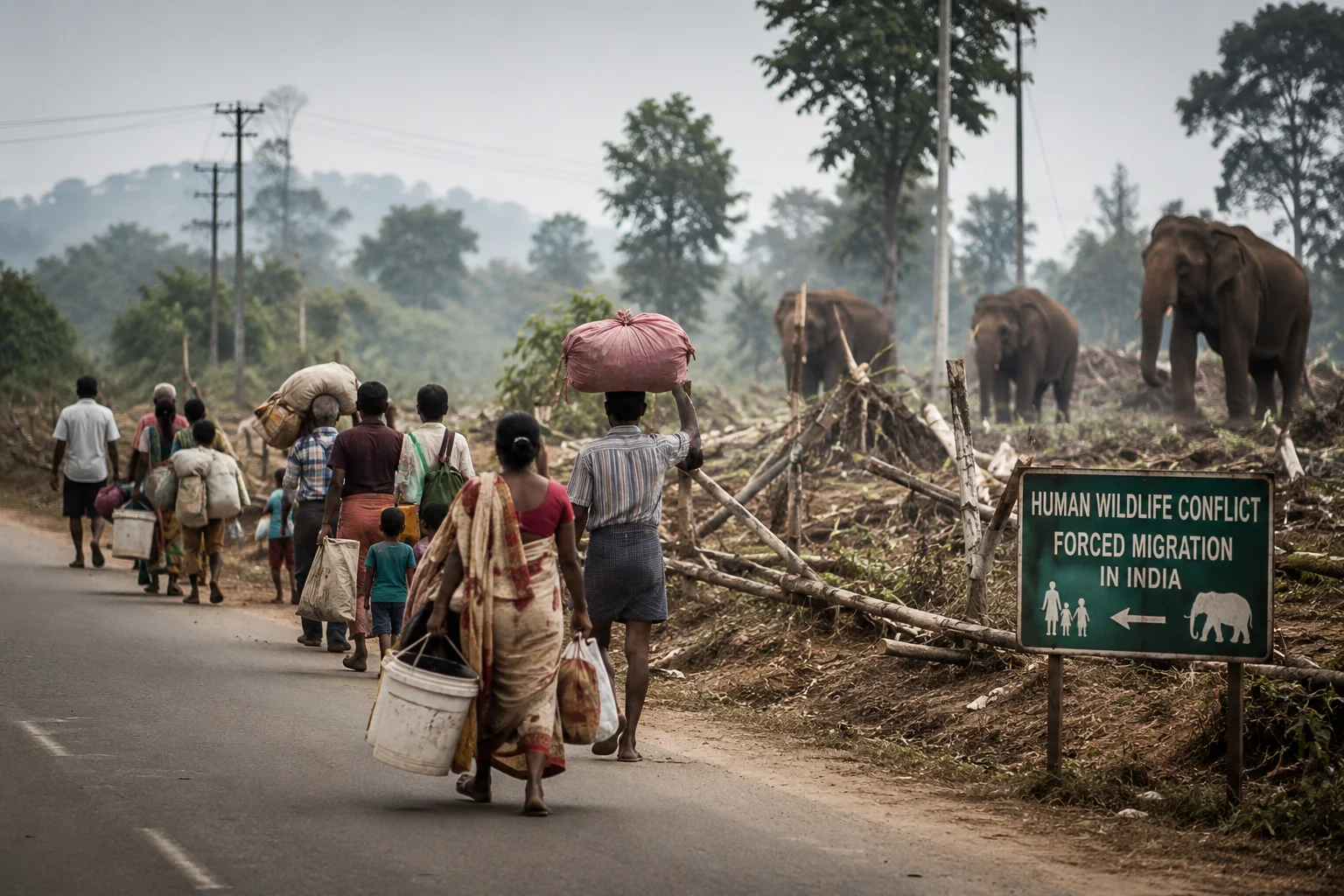
Human-Wildlife Conflict Mitigation
Supporting communities with awareness, early-warning systems, and sustainable coexistence programs.

Conservation Education & Youth Engagement
Inspiring students, volunteers, and local communities through environmental education, awareness campaigns, and citizen conservation.
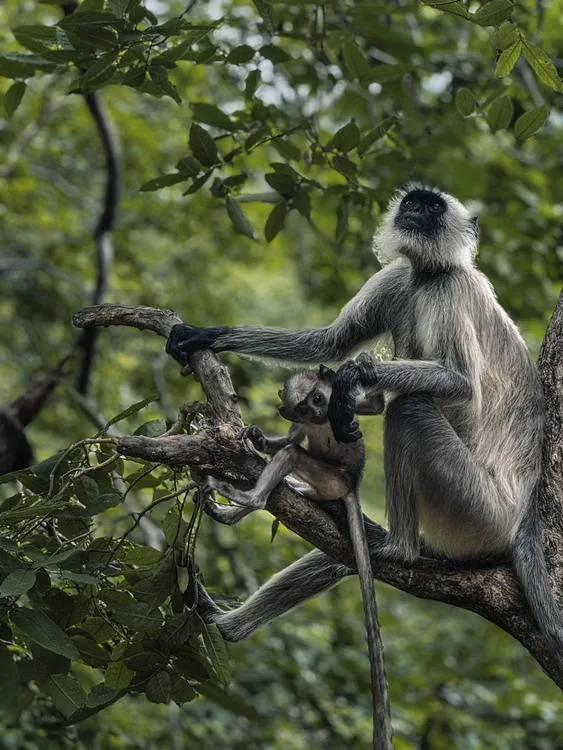
Research, Monitoring & Species Conservation
Conducting biodiversity surveys, wildlife monitoring, and scientific research to guide conservation strategies.
Forest Fire Prevention & Rapid Response
Building fire lines, deploying rapid-response teams, and using technology to detect and control wildfires before they spread.
Tribal Forest Protection & Care
Partnering with local tribal communities to protect wildlife & nature through traditional knowledge, sustainable farming, and community protection.
Wildlife Rescue & Rehabilitation
Rescuing injured, orphaned, and displaced wildlife while supporting rehabilitation and safe release into protected habitats.
Habitat Restoration & Biodiversity Recovery
Restoring degraded forests through native tree plantation, ecological restoration, and long-term habitat management.
Anti-Poaching & Smart Surveillance
Using camera traps, AI monitoring, drones, and ranger patrols to prevent illegal wildlife activities.
Human-Wildlife Conflict Mitigation
Supporting communities with awareness, early-warning systems, and sustainable coexistence programs.
Conservation Education & Youth Engagement
Inspiring students, volunteers, and local communities through environmental education, awareness campaigns, and citizen conservation.
Research, Monitoring & Species Conservation
Conducting biodiversity surveys, wildlife monitoring, and scientific research to guide conservation strategies.
Explore Our Conservation Programs
Discover how PFWCI protects forests, conserves wildlife, empowers indigenous communities, and restores ecosystems across the Western Ghats through science, technology, and community participation.
STAKEHOLDER & FIELD NETWORKS
Mobilizing government departments, wildlife scientists, tribal communities, and local youth.
Forest Department
From its very inception, PFWCI has worked hand in hand with Government Forest Department partners across regions, building a foundation of trust, coordination, and shared purpose.
Wildlife Experts
PFWCI works nationwide with leading conservation biologists, wildlife veterinarians, ecologists, and forest professionals to provide scientific direction for every PFWCI program - from species surveys to rescue protocols.
CSR Partners
PFWCI welcomes CSR partnerships, institutional collaborations, corporate support, and strategic alliances to transform CSR commitments into measurable, science-driven conservation action on the ground.
Field Teams
PFWCI's dedicated field teams are trained professionals who respond to wildlife emergencies, conduct surveys, document biodiversity, and manage on-ground operations 24/7.
Local Communities
Local tribal and rural communities are not just beneficiaries - they are active guardians. PFWCI trains, employs, and partners with communities to make conservation sustainable.
Volunteers
Thousands of volunteers from across India dedicate weekends, vacations, and skills to PFWCI drives - from plantation days to awareness campaigns and rescue support.
HOW WE CONSERVE
Step inside our 5-stage conservation methodology - designed for ecological rigor, tribal partnership, and long-term ecosystem survival.
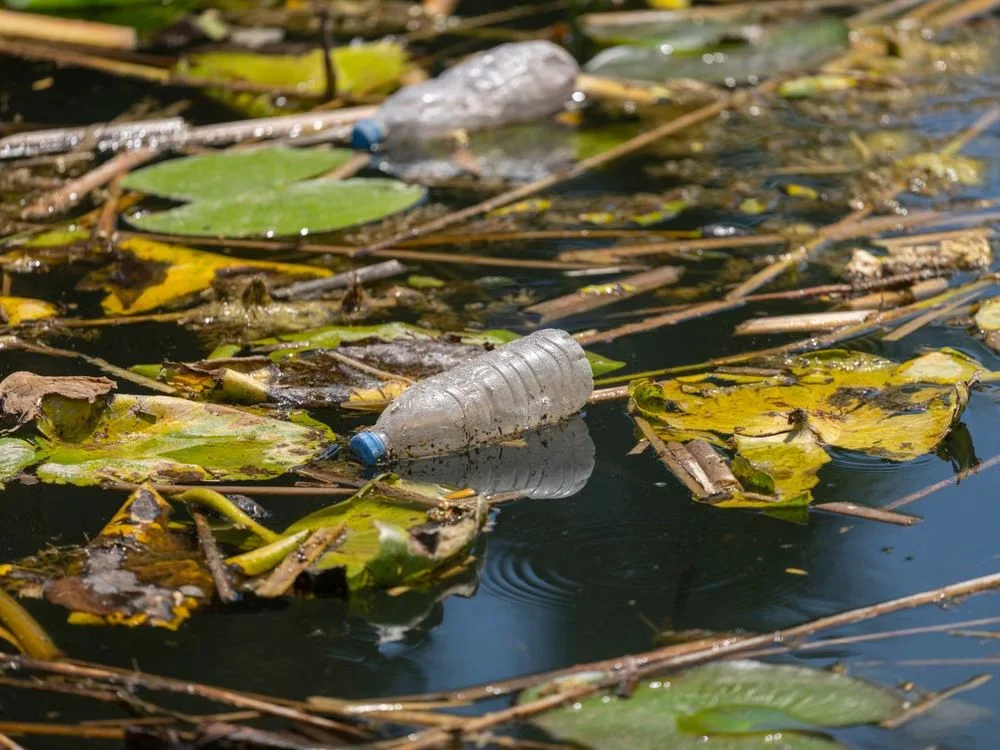
Our field teams and sentinel networks monitor forest margins to detect emerging threats - including deforestation, human-wildlife conflict hotspots, water table depletion, and illegal poaching activities.
- 24/7 Community emergency reporting networks
- Satellite vegetation loss & thermal alert tracking
- Hotspot mapping across 47 protected forest zones
Problem Identification
Problem Identification
Detecting Ecological Threats Before Habitat Loss Is Irreversible
Scientific Assessment
Rigorous Ecological Audits & Wildlife Density Baseline Mapping
Community Co-Design
Empowering Tribal Guardians & Forest Department Partners
Resource Mobilization
Transparent Fund Channeling & Equipment Deployment
On-Ground Execution & Monitoring
Actioning Field Solutions & Multi-Year Ecosystem Audits
Problem Identification
Our field teams and sentinel networks monitor forest margins to detect emerging threats - including deforestation, human-wildlife conflict hotspots, water table depletion, and illegal poaching activities.
- 24/7 Community emergency reporting networks
- Satellite vegetation loss & thermal alert tracking
- Hotspot mapping across 47 protected forest zones
FEATURED CONSERVATION PROJECTS
Active conservation interventions, health camps, and afforestation drives across India.
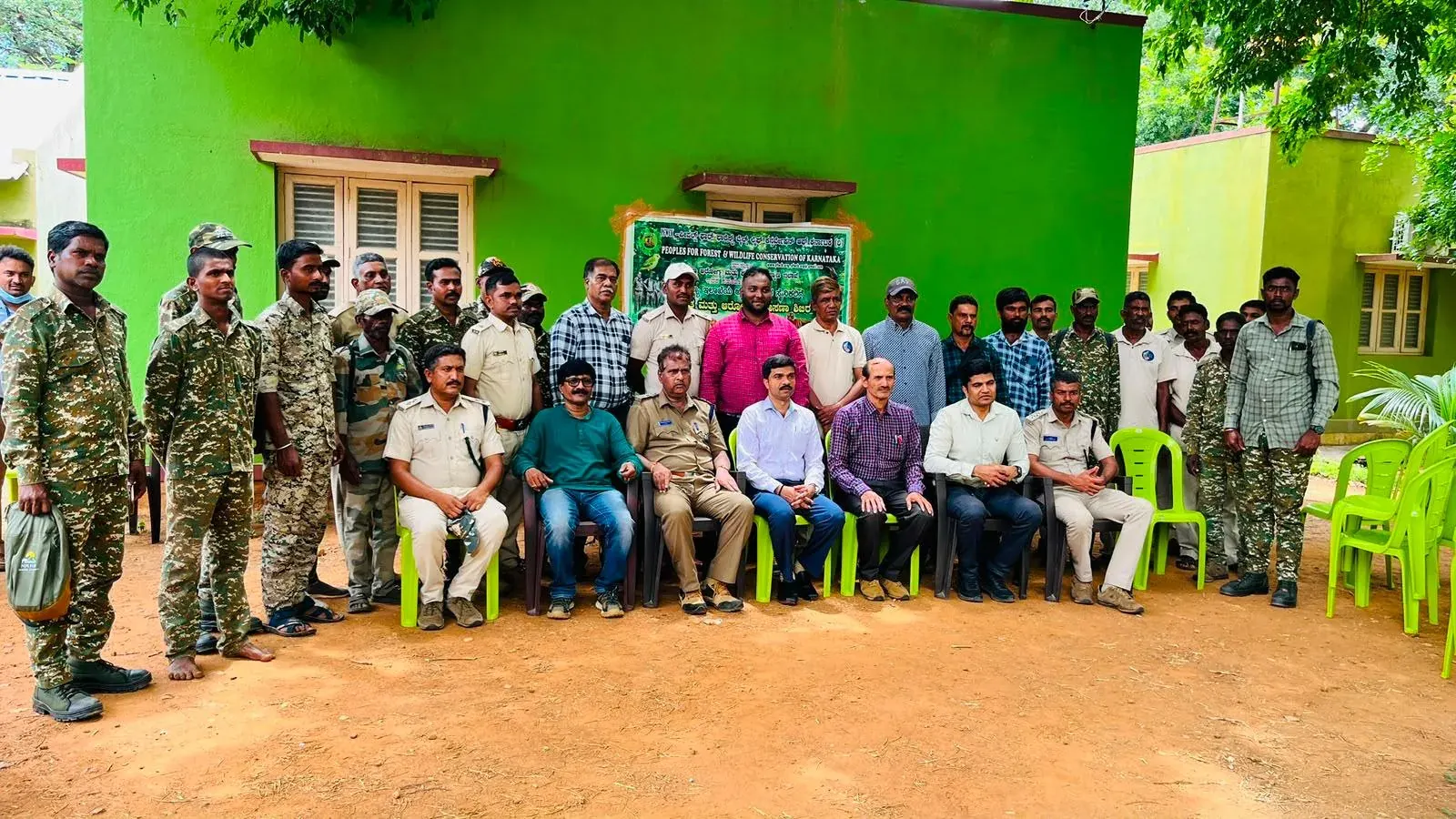 Healthcare InitiativeOngoing
Holistic Health Camps for Forest Frontline Workforce
Working in extreme weather and remote outposts, frontline forest personnel face severe health challenges with limited medical access.
PFWCI delivers multi-specialty health screenings, diagnostic care, and nutritional support directly to forest beats.
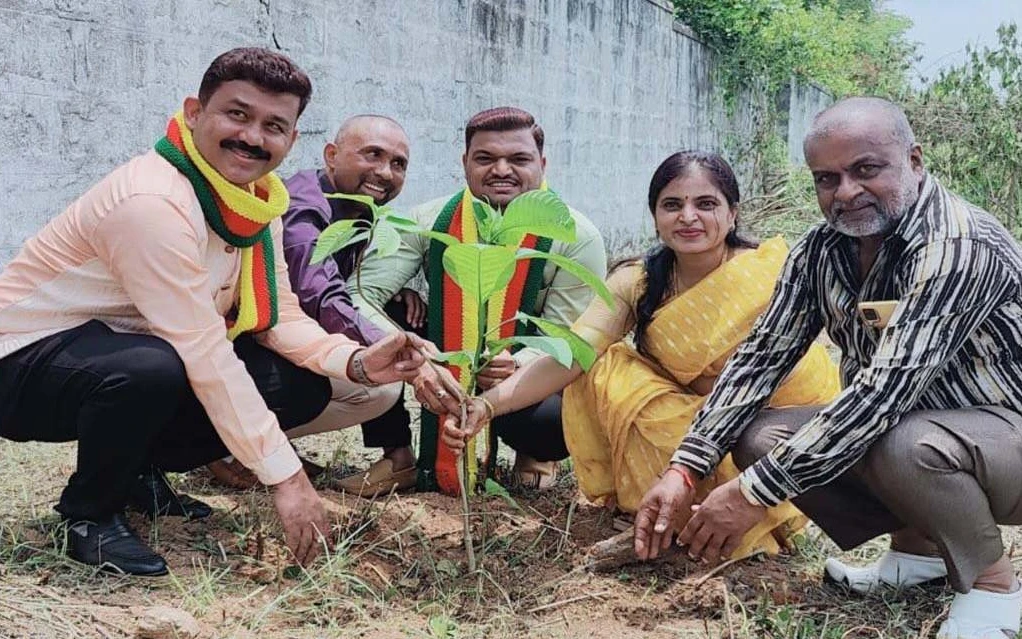 Plantation DrivesOngoing
Plantation Drive Activity In Bidadi
Industrial sprawl around Bidadi creates heat islands and degrades natural soil quality.
Community tree planting of native fruit-bearing species on public/private lands and temple grounds.
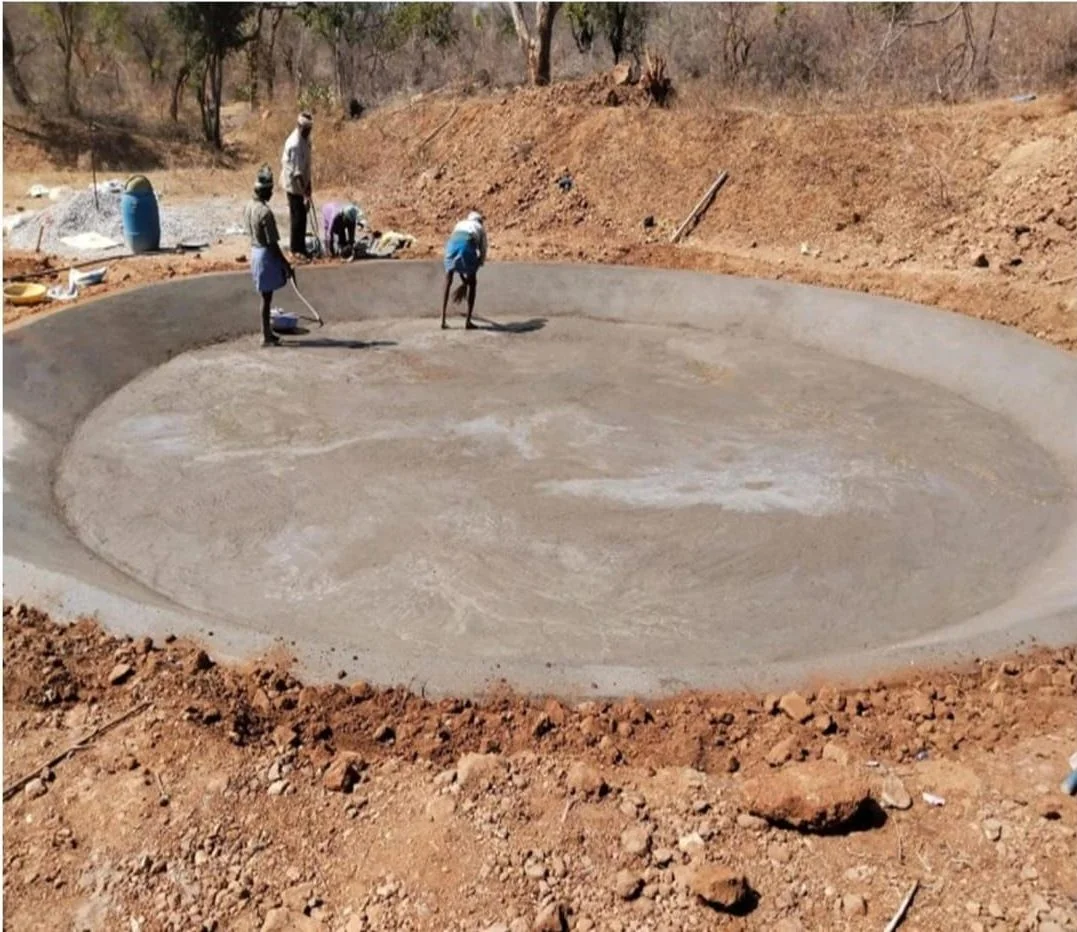 Water ConservationCompleted
Preparing For 2024 Summer Project
Severe summer heat waves dry up natural streams, pushing wild animals into villages for water.
Constructing concrete water troughs and solar-pumped water systems inside forest buffer boundaries.
Fire PreventionCompletedStatement On Wildfire Prevention In India
Invasive species and dry leaf litter fuel catastrophic seasonal wildfires, endangering wildlife.
Creating fire lines, dry fuel clearance, and teaching community vigilance in reporting fires.
HumanWildlife ConflictOngoingHuman Wild Animal Conflict Mitigation
Encroachment on animal corridors leads to crop raiding and dangerous human-animal confrontations.
Installing early warning telemetry systems and eco-fencing around fringe agricultural fields.
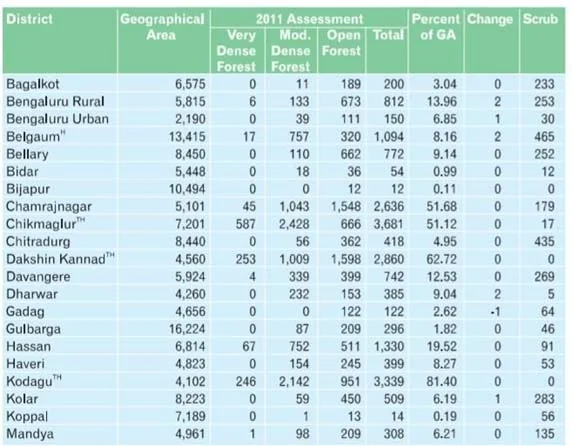 Plantation DrivesOngoing
Plant One Million Trees Across Karnataka
Widespread habitat fragmentation threatens regional biodiversity and rainfall cycles.
Mobilizing local youth, farmers, and institutions to plant and nurture 87 endemic tree species.
FIELD SNAPSHOTS
Real stories from veterinary staff and community organizers on the frontlines.
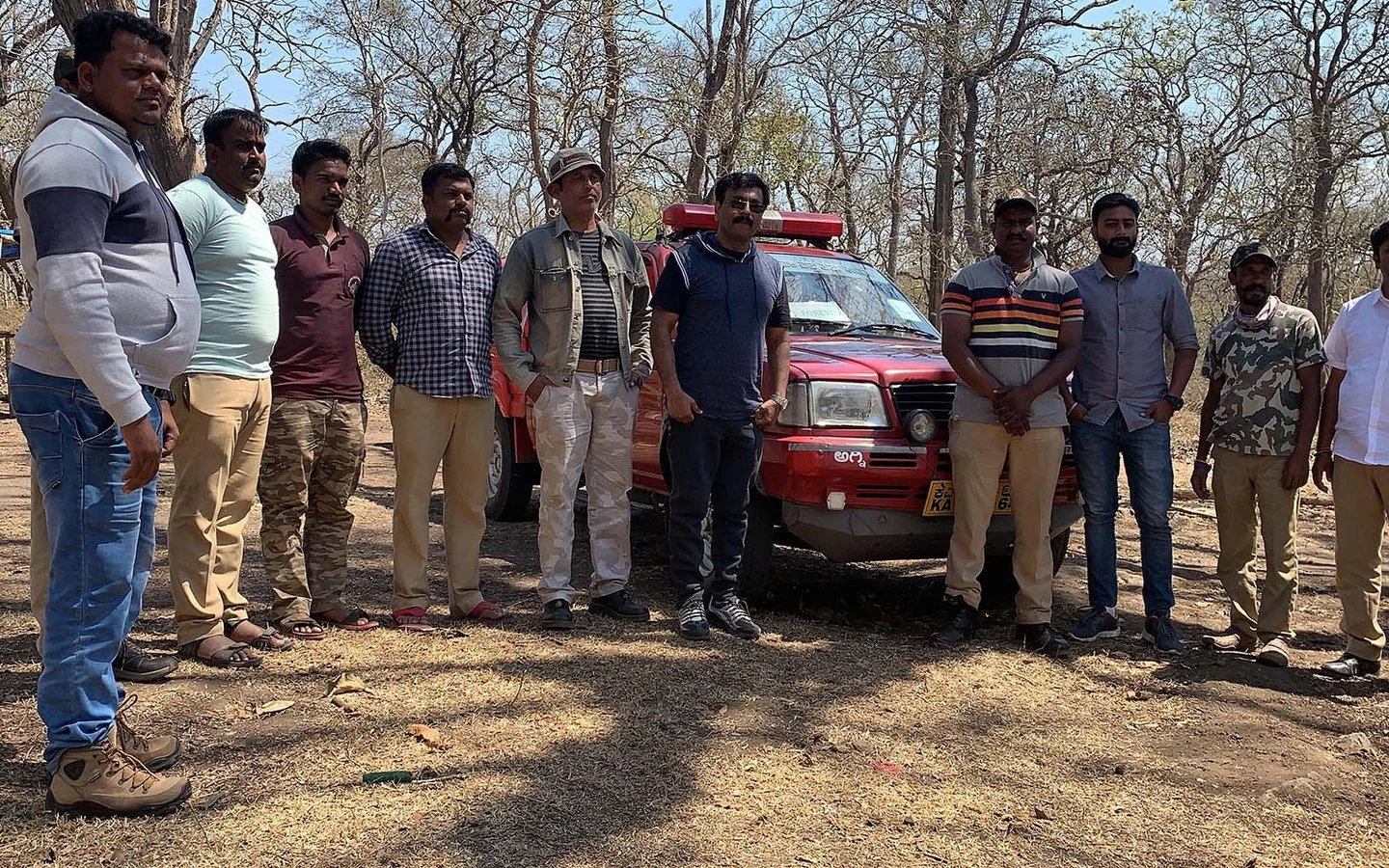
"Every rescue is a second chance for a species that has no voice."
"Planting a tree is the simplest act with the most permanent consequence."

"Conservation fails without the people who live closest to the forest."
Wildlife Gallery
Indian Leopard Canopy Vigil


DRAG OR USE ARROWS • CLICK TO EXPAND FULLSCREENSWIPE OR TAP TO VIEW


