
India lost over 385,000 hectares of natural forest canopy between 2001 and 2023. An in-depth National Geographic & Mongabay-style editorial on habitat fragmentation, human-wildlife conflict, climate chaos, and PFWCI's frontline rewilding solutions.
In This Article (10 Sections)▼
- Executive Summary & National Context
- What is Deforestation? Primary vs. Secondary Forest Loss
- Major Drivers of Forest Destruction in India
- The Cascade Effect on Wildlife & Genetic Isolation
- HumanWildlife Conflict: A Consequence of Shrinking Habitats
- Regional Case Studies Across India
- Impact on Indigenous & Forest-Dependent Communities
- Government Policy & Reforestation Frameworks
- PFWCI's Perspective & Action Framework
- How You Can Help Protect India's Forests
Executive Summary & National Context
India is home to four of the world's 36 globally recognized biodiversity hotspots: the Western Ghats, the Eastern Himalayas, the Indo-Burma landscape, and the Sundaland archipelago. These ancient biomes harbor over 45,000 plant species and 91,000 animal speciesincluding 75% of the global wild tiger population and 60% of Asian elephants (MoEFCC Report 2023). Yet, beneath this lush canopy lies an accelerating ecological emergency: structural habitat fragmentation and forest degradation.
According to multi-decadal satellite datasets from Global Forest Watch and the Forest Survey of India (FSI ISFR 2021), India lost over 385,000 hectares of natural forest cover between 2001 and 2023, releasing more than 174 million metric tons of CO₂ equivalent emissions. While official state reports often highlight stable total canopy percentages, environmental researchers at Mongabay India and Down To Earth emphasize that commercial tree monocultures (e.g. eucalyptus, acacia, and rubber) are frequently misclassified as dense primary forest, masking the irreversible loss of ancient old-growth ecosystems.
What is Deforestation? Primary vs. Secondary Forest Loss
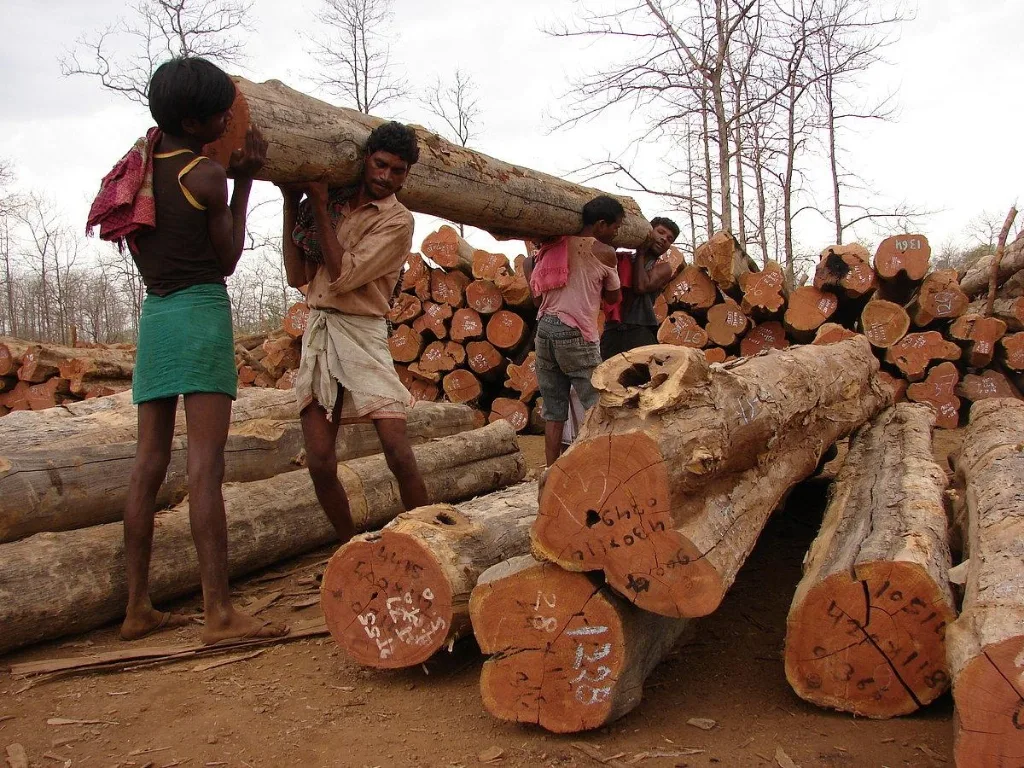
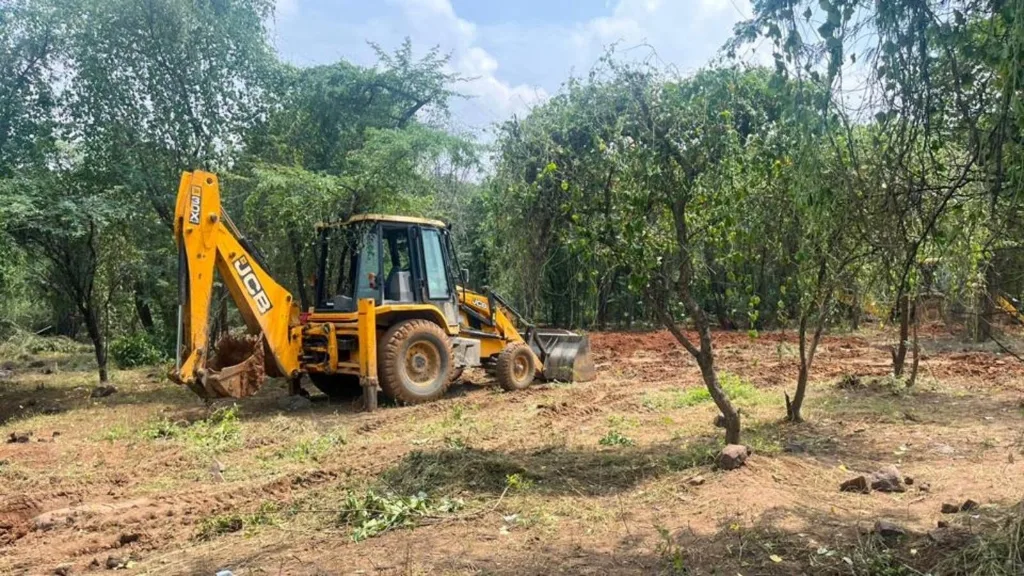
Deforestation is defined as the permanent conversion of natural forest land to non-forest uses, including mining, agriculture, highways, and industrial urban sprawl. In tropical and sub-tropical India, however, the threat extends beyond total canopy clearance to severe structural degradation.
Key Differences in Ecological Value:
Major Drivers of Forest Destruction in India
Joint ecological investigations by the Wildlife Institute of India (WII) and UNEP identify five principal drivers fragmenting Indian landscapes:
The Cascade Effect on Wildlife & Genetic Isolation
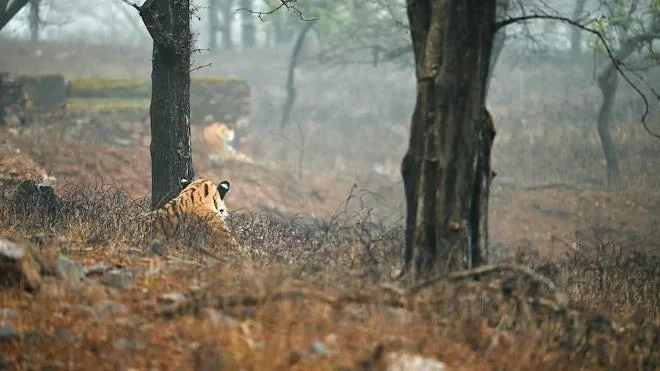
For wide-ranging flagship species like the Royal Bengal Tiger (Panthera tigris) and Asian Elephant (Elephas maximus), forest loss is an existential threat to long-term genetic survival. Slicing contiguous forest complexes into isolated patches traps animal populations in genetic islands.
Impacts on Wildlife Health:
HumanWildlife Conflict: A Consequence of Shrinking Habitats
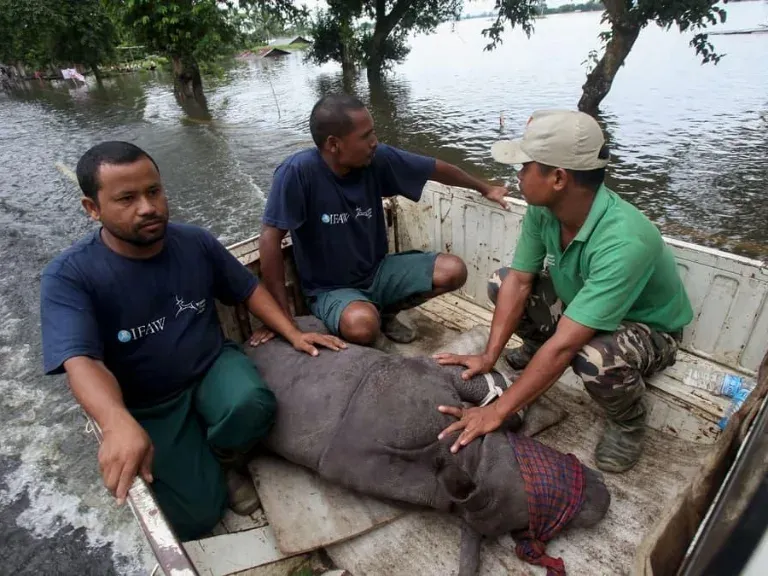
As natural buffer zones vanish, wild animals inevitably wander into human habitations, tea gardens, and crop fields in search of water and forage. Data from MoEFCC indicates that human-wildlife conflict results in over 500 human deaths and dozens of elephant/tiger fatalities each year across India.
This ongoing friction causes severe economic strain for marginal farming households, triggering retaliatory poisonings, illegal electrocution fences, and public panic.
Regional Case Studies Across India
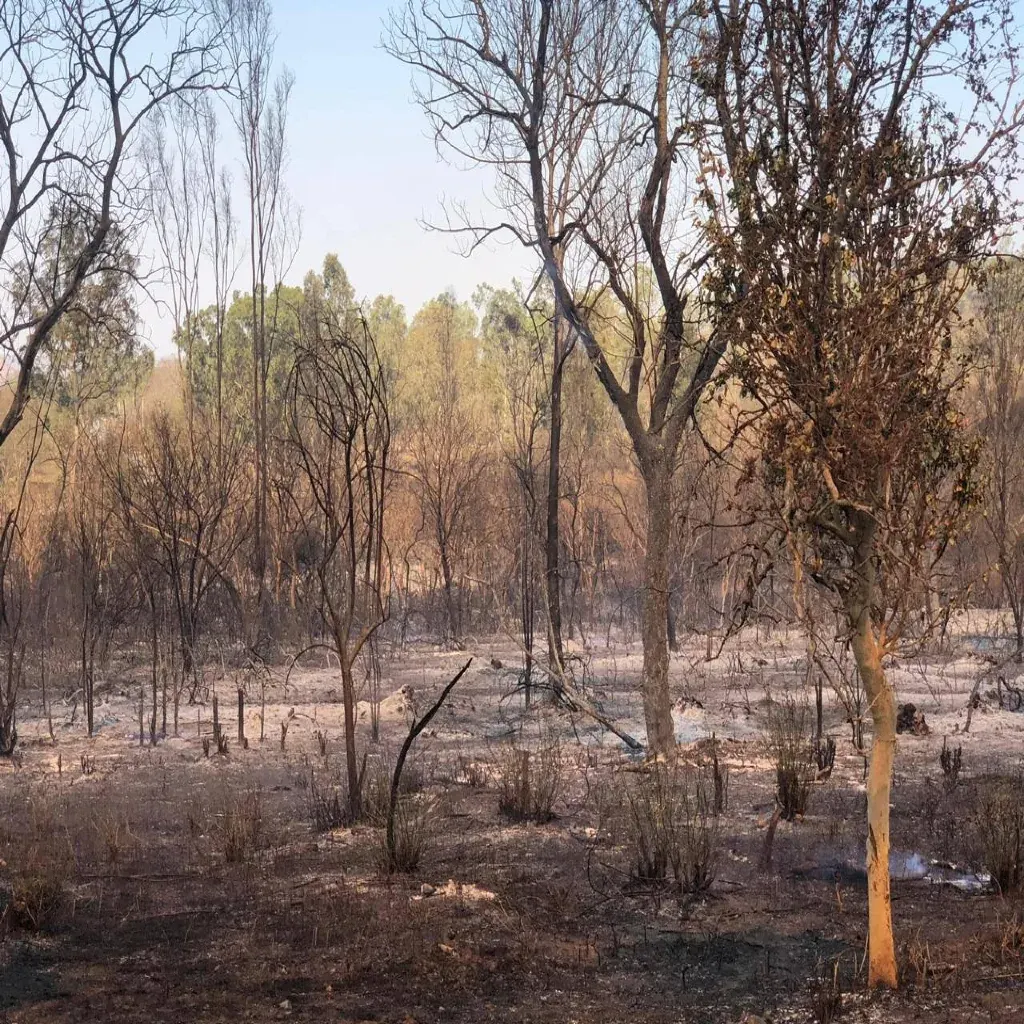
To understand the geographic spectrum of forest loss, PFWCI field researchers highlight four key regions:
"Deforestation is not merely a loss of trees; it is the systemic dismantling of an intricate ecological life-support system that regulates our monsoon rains, protects our topsoil, and safeguards both wildlife and human civilization from climate catastrophes."
Impact on Indigenous & Forest-Dependent Communities
Over 200 million people in Indiaincluding indigenous Adivasi, Gond, Baiga, and Soliga communitiesrely directly on forests for food, medicinal plants, fodder, and cultural heritage. Accelerating forest clearing undermines the Forest Rights Act (FRA 2006), displaces traditional stewards, and erodes centuries of indigenous ecological wisdom.
Government Policy & Reforestation Frameworks
India has enacted several national policy mechanisms to counter deforestation:
However, leading conservationists point out that CAMPA funds are frequently allocated toward fast-growing commercial eucalyptus rather than biodiverse native eco-restoration.
PFWCI's Perspective & Action Framework
At People for Forest and Wildlife Conservation of India (PFWCI), we advocate a three-pillar conservation model: 1. Eco-Corridor Preservation: Legally securing and restoring vital wildlife movement corridors between national parks. 2. Native Species Reforestation: Deploying seedballs and planting multi-tiered native saplings rather than timber monocultures. 3. Community Co-Management: Empowering indigenous forest dwellers with sustainable non-timber forest produce livelihoods.
How You Can Help Protect India's Forests
Every citizen can take direct conservation action:
A field researcher and conservationist with People for Forest and Wildlife Conservation India, working across the Western Ghats and Eastern Ghats landscapes.