For millions of forest-dependent communities across India, forests provide food, fuel, fodder, medicine, and cultural identity. An in-depth analysis of traditional ecological knowledge, the Forest Rights Act 2006, women's forest livelihoods, and community-centred conservation.
In This Article (10 Sections)▼
- People Are Part of the Forest Landscape
- Traditional Knowledge Is Part of Conservation
- Forests Provide More Than Forest Products
- Community Participation Can Strengthen Conservation
- Rights Matter: The Legal Framework
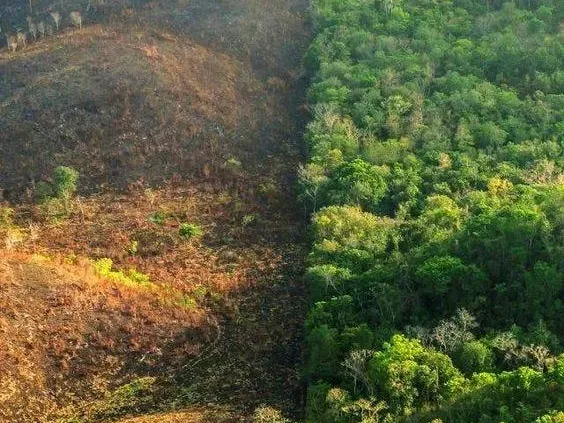
- When Forests Decline, Communities Suffer
- Women and Forest Livelihoods
- Conservation Should Not Be a Choice Between People and Nature
- What Community-Centred Conservation Looks Like
- Protecting Forests, Supporting Communities
A forest is more than trees.
It is habitat for wildlife, a source of water, a storehouse of biodiversity and an important part of the climate system. But across India, forests are also home to communities whose lives and livelihoods have developed alongside these ecosystems.
For many forest-dependent communities, the forest provides food, fuel, fodder, medicinal plants and other non-timber forest products. It can also provide income, cultural identity and knowledge passed from one generation to the next. The relationship between people and forests is therefore not simply economic—it can be social, cultural and ecological as well.
People Are Part of the Forest Landscape
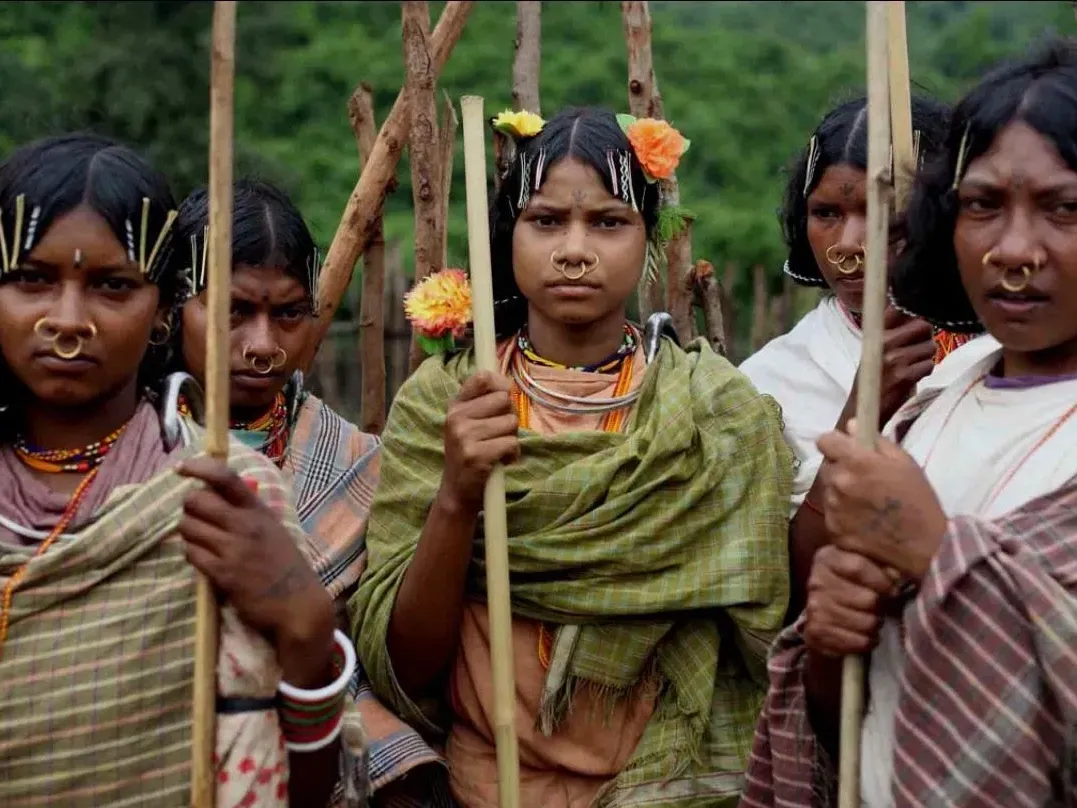
Forest-dependent communities are not a single group. They include people living within forests as well as communities living around forest landscapes who depend on forest resources for parts of their livelihoods. The nature and intensity of this dependence varies considerably from one region to another.
Across India, communities collect critical Non-Timber Forest Produce (NTFP) such as Mahua flowers, Tendu leaves, Bamboo, wild honey, fruits, seeds, medicinal plants, leaves, fibres, and fodder. These resources can be used directly by households or sold in local markets to generate essential income, particularly where agriculture and formal employment options are limited.
Traditional Knowledge Is Part of Conservation
Generations of living within a landscape create detailed knowledge of its plants, animals, seasons and natural resources. Communities know where particular flora thrives, when trees fruit, where hidden water springs remain during severe droughts, and how seasonal migrations unfold.
This knowledge should not be romanticised or assumed to be universally sustainable. But it is invaluable when combined with scientific research and responsible resource management. The strongest conservation approaches bring local knowledge and scientific research together.
Forests Provide More Than Forest Products
The relationship between forests and communities extends beyond resource gathering. Forests support agricultural topsoil, regulate local microclimates, prevent flash erosion, and provide essential livestock fodder during difficult seasons.
For many indigenous communities, forests hold deep spiritual and cultural significance. Sacred groves and ancestral forest sites embody living heritage. When a forest landscape degrades, the consequences extend far beyond lost timber—it erodes cultural identity and community resilience.
Community Participation Can Strengthen Conservation
People living closest to forests are often the first to detect subtle environmental shifts—early signs of poaching, changes in water tables, forest fire outbreaks, or invasive weed spreading.
Research from India documents that community-led forest protection and joint forest management produce superior long-term conservation results when local institutions have genuine authority. Meaningful participation means local voices must help shape conservation decisions before policies are enacted.
Rights Matter: The Legal Framework
India's Forest Rights Act, 2006 (FRA) legally recognizes individual and community forest rights of Scheduled Tribes and traditional forest dwellers. It empowers Gram Sabhas to manage, protect, and conserve community forest resources.
The Ministry of Environment, Forest and Climate Change (MoEFCC) explicitly acknowledges the vital role of forest-dwelling and tribal communities in safeguarding forest ecosystems and enhancing forest carbon stocks.
When Forests Decline, Communities Suffer
Forest degradation hits rural communities hardest. Reduced availability of forest produce forces villagers to walk longer distances, facing diminished incomes and severe water stress.
Economic insecurity can force unsustainable resource extraction, creating a vicious cycle of ecological decline. Conservation programs must simultaneously address ecological restoration and local economic security.
Women and Forest Livelihoods
Women form the backbone of forest produce collection, processing, and household resource management. When forest quality deteriorates, women bear the physical burden of walking further for fuelwood and fodder.
Conversely, supporting sustainable value-addition enterprises, local processing cooperatives, and female representation in Gram Sabhas builds resilient community institutions. Empowering women as decision-makers delivers vastly superior conservation outcomes.
Conservation Should Not Be a Choice Between People and Nature
A widespread misconception in conservation is that protecting forests requires excluding communities, or that supporting human livelihoods harms nature. The reality is integrated.
"The goal is to build co-management systems where forest ecosystems remain healthy, wildlife corridors stay intact, and legitimate community rights and sustainable livelihoods are fully protected."
What Community-Centred Conservation Looks Like
A comprehensive community-centred action framework includes:
Protecting Forests, Supporting Communities
The India State of Forest Report 2023 highlights that India's 827,357 sq km of forest and tree cover cannot be separated from the millions of people who live alongside them.
A healthy forest supports wildlife and watersheds. A healthy community becomes the most vigilant partner in protecting that ecosystem. By honoring rights, restoring ecosystems, and fostering local stewardship, we protect not just trees, but the entire web of life.
A field researcher and conservationist with People for Forest and Wildlife Conservation India, working across the Western Ghats and Eastern Ghats landscapes.